Diesel Generator vs Gas Generator: Which Is Better for Industrial Use?
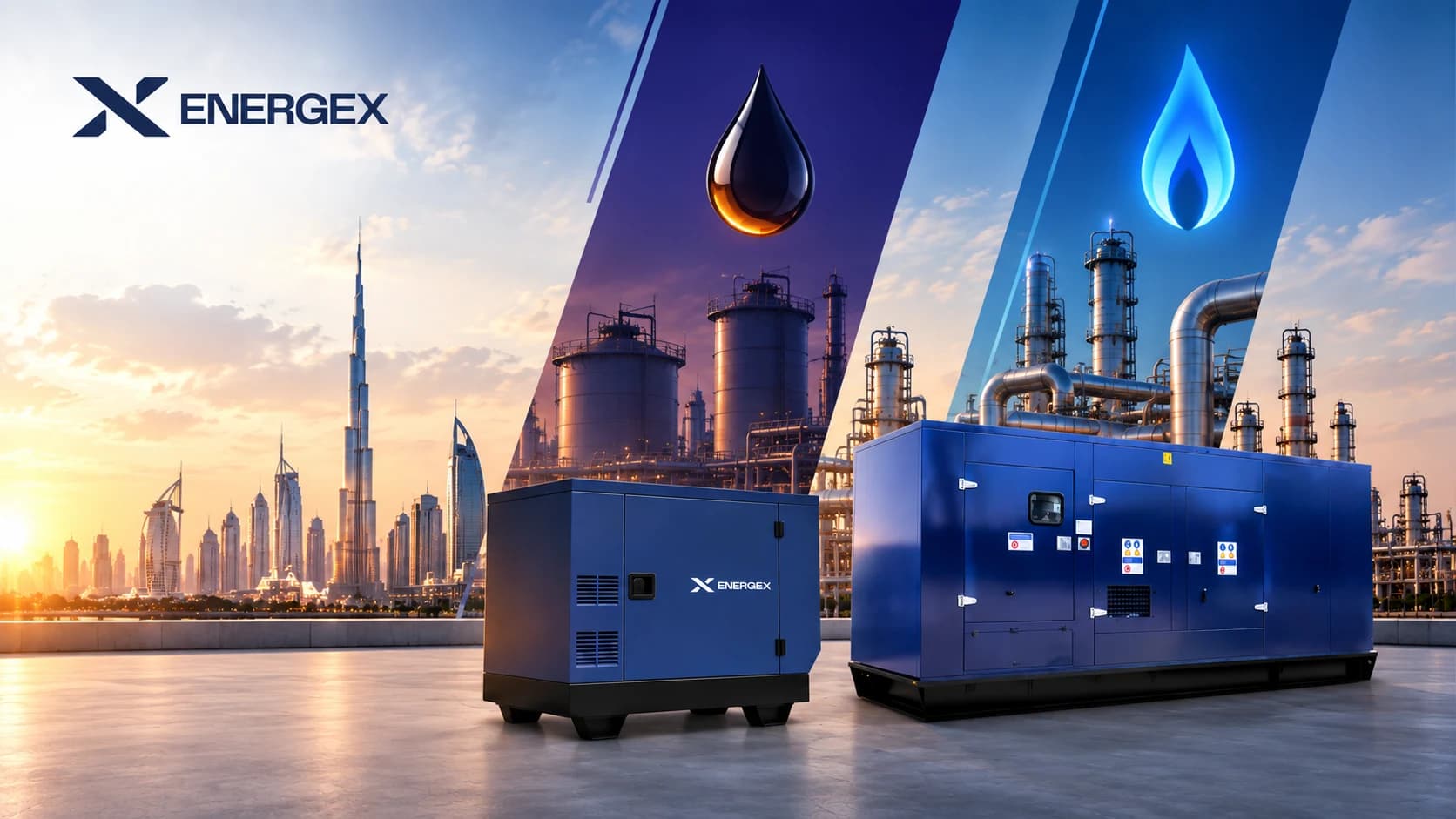
Diesel Generator vs Gas Generator: Which Is Better for Industrial Use?
Reliable power is essential for industrial operations. A sudden power interruption can stop production, affect machinery, delay projects, and increase operating costs. This is why many factories, construction sites, commercial facilities, and critical infrastructure projects use generators as a primary or backup power source.
When choosing a generator, two common options are diesel generators and gas generators. Both can provide reliable power, but they work differently and have different advantages when it comes to fuel consumption, operating costs, maintenance, emissions, and applications.
So, which is better for industrial use?
The answer depends on your power requirements, operating environment, fuel availability, running hours, and project requirements. This guide explains the key differences between diesel and gas generators to help you make the right choice.
What Is a Diesel Generator?
A diesel generator, commonly called a diesel genset, combines a diesel engine with an electrical generator to produce electricity.
Diesel generators are widely used for industrial and commercial applications because of their reliability and ability to handle heavy loads. They are commonly found in factories, construction projects, warehouses, hospitals, data centers, oil and gas facilities, and remote sites.
One of the biggest advantages of diesel generators is their ability to provide high power output while maintaining stable performance under demanding operating conditions.
Diesel fuel is also relatively easy to store, making these generators suitable for locations where access to a continuous fuel supply may not be available.
What Is a Gas Generator?
A gas generator uses an internal combustion engine powered by natural gas or another suitable gaseous fuel to generate electricity.
Natural gas generators are commonly used in commercial buildings, industrial facilities, manufacturing plants, and applications where gas infrastructure is readily available.
Gas generators can be an attractive option for facilities looking for cleaner combustion and lower emissions compared with conventional diesel systems.
However, their suitability depends heavily on the availability and reliability of the gas supply.
Diesel Generator vs Gas Generator: Key Differences
Although both systems generate electricity, there are several important differences between diesel and gas generators.
- Fuel Availability
Fuel availability is one of the first factors an industrial facility should consider.
Diesel generators can operate using stored diesel fuel. A facility can maintain fuel tanks and use the generator even when external fuel infrastructure is unavailable, provided sufficient fuel is stored.
Gas generators generally depend on a gas supply network or an appropriate gas storage system. If the gas supply is interrupted or pressure drops below the required level, generator performance can be affected.
For remote construction sites and locations without reliable gas infrastructure, diesel generators are often more practical.
- Power Output and Load Handling
Industrial equipment can create significant and sometimes rapidly changing electrical loads.
Diesel generators are well known for their ability to handle heavy loads and sudden changes in demand. They are suitable for applications involving large motors, industrial machinery, pumps, compressors, and other equipment.
Gas generators can also deliver high power and are available in large industrial capacities. However, the correct system must be selected based on the facility's load profile and the characteristics of the equipment being powered.
For facilities with demanding or variable loads, a detailed load assessment should be carried out before selecting the generator type.
- Fuel Efficiency
Fuel efficiency is an important consideration because industrial generators may operate for hundreds or thousands of hours every year.
Diesel engines generally provide strong fuel efficiency, particularly when operating under suitable loads. They can produce a high amount of power from a relatively small quantity of fuel.
Gas generator efficiency varies depending on the engine design, generator capacity, fuel type, and operating load.
The best option should therefore be evaluated based on the expected operating hours and actual fuel costs rather than simply comparing fuel prices.
- Maintenance Requirements
Every industrial generator requires regular maintenance to remain reliable.
Diesel generators have a well-established maintenance process. Routine servicing usually includes engine oil changes, filter replacement, coolant checks, battery inspections, fuel system checks, and general engine inspections.
Gas generators also require scheduled maintenance. Their ignition systems, spark plugs, valves, and other engine components need regular inspection and servicing.
The maintenance requirements will depend on the generator model, operating hours, load, environment, and manufacturer's recommendations.
For industrial facilities, preventive maintenance is essential regardless of the fuel type.
- Environmental Impact
Environmental performance has become increasingly important for businesses and industrial operators.
Gas generators, particularly those running on natural gas, generally produce lower levels of certain emissions than diesel generators. This can be a relevant consideration for facilities with emission reduction targets or that operate in areas with strict environmental regulations.
Diesel generators have improved significantly over the years in terms of emissions, and modern diesel engines with proper after-treatment systems can meet various emission standards.
The environmental suitability of either option will depend on the applicable regulations, the facility's sustainability goals, and the local operating environment.
- Operating Costs
Operating costs for industrial generators depend on several factors, including fuel prices, maintenance costs, operating hours, and generator capacity.
Diesel fuel costs can vary depending on the region and market conditions. However, the strong fuel efficiency of diesel engines means that the actual cost per unit of electricity generated can be competitive in many industrial applications.
Gas fuel costs also vary depending on the region, gas supply infrastructure, and the type of gas used.
When comparing operating costs, it is important to consider the total cost over the expected operating life of the equipment rather than focusing solely on the current fuel price.
- Starting Performance
In many industrial applications, generators need to start quickly and handle load reliably.
Diesel generators are well regarded for their starting reliability in a wide range of temperatures and operating conditions. They can typically handle load quickly after starting.
Gas generators can also start and respond to load effectively, but their performance can be more dependent on the quality and pressure of the gas supply.
For applications where generator reliability during starting is critical, such as standby power for critical infrastructure, the starting characteristics of the chosen system should be evaluated carefully.
- Installation and Infrastructure
The infrastructure requirements for diesel and gas generators differ.
Diesel generators require fuel storage tanks, fuel delivery systems, and appropriate containment. The installation process is relatively straightforward for many applications, and diesel generators can be deployed in locations where permanent fuel infrastructure is not available.
Gas generators require a reliable gas supply connection, appropriate pipework, pressure regulation, and gas safety systems. If a gas connection is not already available at the site, the cost and time required to establish one should be considered.
For temporary applications or remote sites, diesel generators are generally easier to deploy.
Which Generator Is Better for Industrial Use?
The right choice between a diesel generator and a gas generator depends on the specific requirements of the industrial facility or project.
Diesel generators may be the preferred option when:
The facility is located in a remote area without reliable gas infrastructure Fuel needs to be stored on-site Heavy and variable loads need to be handled reliably Rapid deployment is required for temporary or construction applications The generator will serve as a primary power source for extended periods Reliability in demanding environmental conditions is essential
Gas generators may be the preferred option when:
A reliable gas supply is readily available Lower emission levels are a priority The facility has existing gas infrastructure The generator will operate in a location with access to the gas network
In many industrial applications, the choice is also influenced by local fuel prices, availability, regulatory requirements, and the facility's long-term energy strategy.
Why a Professional Assessment Matters
Selecting the right generator type for an industrial facility is not a decision that should be made based on fuel type alone.
A proper assessment should consider:
Total electrical load and load profile Starting requirements of connected equipment Operating hours and duty cycle Fuel availability and storage requirements Site conditions and environmental requirements Maintenane and support requirements Capital and operating cost comparison Regulatory and environmental compliance
Working with an experienced generator provider can help industrial facilities evaluate these factors and identify the most suitable solution for their specific requirements.
Generator Solutions from Energex
Energex provides power solutions for industrial and commercial applications across the UAE, including generator rental and power supply for construction projects, oil and gas operations, manufacturing facilities, warehouses, and other industrial applications.
With a range of generator capacities from 20 kVA to 1500 kVA, Energex can help businesses identify and implement the appropriate power solution based on their operational requirements.
Whether your facility requires diesel generators for remote or demanding applications, or you are evaluating power options for a new project, Energex can provide technical guidance and support.
Final Thoughts
Both diesel and gas generators can provide reliable power for industrial applications. The choice between the two depends on factors including fuel availability, load requirements, site conditions, operating costs, emissions targets, and infrastructure.
For industrial facilities in the UAE, diesel generators remain a widely used and practical solution, particularly for remote sites, construction projects, and applications where fuel storage is important.
Gas generators can offer advantages in facilities where a reliable gas supply is available and emission reduction is a priority.
The key is to evaluate both options based on the actual requirements of the facility rather than making a general assumption about which type is better.
If you are planning a new industrial project or reviewing your power strategy, working with an experienced generator provider can help you identify the most suitable and cost-effective solution for your needs.
Related Insights & News
Generator Rental for Oil & Gas Projects in the UAE
Oil and gas projects require a stable and reliable power supply at every stage of operation. From exploration and drilling sites to refineries, processing facilities, pipelines, and maintenance projects, power interruptions can affect productivity, safety, and project timelines.
Power Generator Rental UAE: A Complete Guide for Businesses and Projects
Reliable electricity is essential for almost every business and project in the UAE. Construction sites need continuous power for machinery and temporary facilities. Events require electricity for lighting, sound systems and production equipment.
Ready to Power Your Next Project?
Get in touch with our team today to discover how Energex can provide reliable, efficient, and scalable power solutions tailored to your unique requirements.